

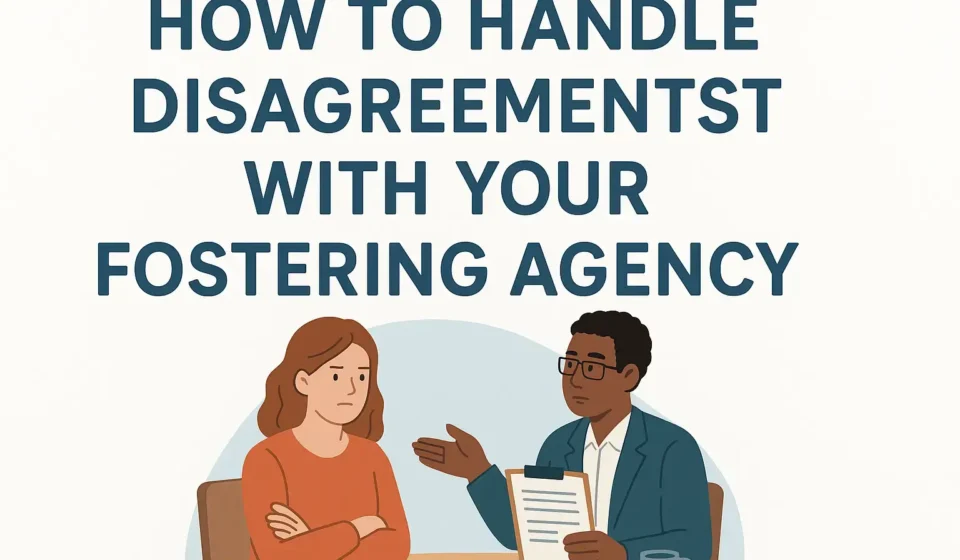

The relationship you have with your agency is the foundation of your work as a foster carer. It is a professional partnership, but like any partnership, you might not always see eye to eye. You could disagree about allowances, the level of support you receive, or even plans for a child in your care. When this happens, knowing how to handle it properly makes all the difference for the young person in your home and for your own well-being.
Table Of Content
Talk It Through First
A simple chat can often sort things out before they escalate into a major issue. If something is bothering you, ask your supervising social worker for a proper sit-down meeting, not just a quick, rushed call when they are on the move. It is a good idea to jot down what you want to say beforehand so you do not forget anything important in the moment. Afterwards, sending a quick email summarising the chat is a great way to have a record of what you both agreed. Try to keep the conversation focused on the issue itself, and stay as calm as you can. This approach helps you work together to find an answer rather than creating conflict.
Using the Formal Process
If talking it through does not solve the problem, the next step is to use the agency’s official complaints process. Every agency must have one; it is a regulatory requirement. This is not about starting a fight; it is a formal way to make sure your concern is heard by the right people in management. You will usually need to put your complaint in writing. The procedure should tell you how long it will take to get a reply and what happens next if you are still not happy. It shows you are serious and makes sure the issue gets the proper attention it deserves.
You Are Not on Your Own
You do not have to go through a disagreement by yourself. There are independent groups out there that can offer advice and a listening ear. The Fostering Network is a major UK charity that gives its members legal help, support, and can even assist with mediation. Fosterline is another excellent service for impartial, confidential advice. Getting in touch with one of them can give you a clearer picture of your rights and offer a different view on the situation. This can give you the confidence you need to see the process through fairly.
When the Relationship Breaks Down
Sometimes, no matter how hard everyone tries, the working relationship just breaks down. If you reach a point where you feel you can no longer work effectively with your agency, and it is affecting your ability to provide care, you have the option to transfer fostering agency. This is a big decision and should not be taken lightly, especially with a child living in your home. There is an official protocol to follow for transfers to other independent fostering agencies, which is designed to keep things as stable as possible for the child. It is wise to get advice from an independent body to make sure everything is handled correctly.
While facing a disagreement with your agency can be stressful, most issues can be sorted out. Good communication, knowing how to use the formal systems, and getting outside support are the keys to finding a solution. At the end of the day, both you and your agency want the same thing: to provide a stable and caring home for a child. Working through differences is just part of making sure that shared goal is always the top priority.